Introduction to Qoghundos and Their Ingredients
Qoghundos are a traditional dish that has garnered attention for their unique combination of flavors and textures, often used in various cultural cuisines. The term “Qoghundos” refers to small dumplings that are typically made by combining dough with a variety of fillings. This culinary delight showcases a rich tapestry of ingredients, which vary based on regional and cultural preferences.
The base of Qoghundos generally consists of grains, primarily wheat or rice flour, which form the dough that encases the filling. These grains are valued for their nutritional benefits, providing essential carbohydrates that serve as a primary energy source. In addition to the dough, ingredients such as sugar or honey are often incorporated to add a touch of sweetness, making the dish appealing to a wide array of palates.
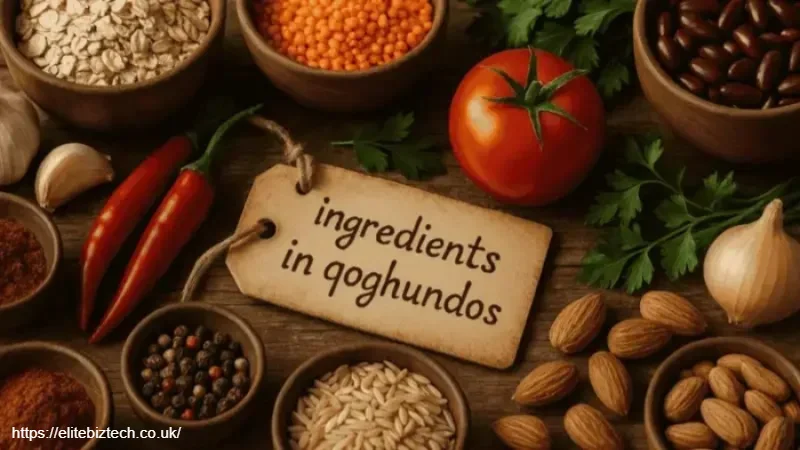
Furthermore, flavor enhancers such as spices, herbs, or even nuts are frequently included to elevate the taste profile of Qoghundos. Each region may feature its own unique set of spices, contributing to the cultural identity of this dish. For instance, aromatic spices like cardamom and cinnamon may be prevalent in some versions, while others might utilize savory ingredients like garlic or onions.
The origins of Qoghundos can be traced back to ancient culinary practices, where they were emblematic of the resourcefulness of different communities in utilizing available ingredients. This historical context underscores not only the adaptability of Qoghundos but also their far-reaching significance across various cultures. As we delve deeper into the question of whether the ingredients in Qoghundos are beneficial to health, it is essential to understand the foundational elements that contribute to this dish’s unique character.
Nutritional Analysis of Qoghundos Ingredients
The ingredients in Qoghundos are a vital aspect of its appeal, particularly when it comes to nutritional considerations. Understanding their nutritional profile provides valuable insight into whether these ingredients can positively impact one’s diet. The core components typically include grains, nuts, and natural sweeteners. Each of these elements contributes unique macronutrients essential for maintaining a healthy lifestyle.
When analyzing the macronutrient composition, we observe that the grains commonly used, such as whole wheat or oats, offer a good balance of carbohydrates. These carbohydrates are complex in nature, which means they are digested slowly, providing a sustained energy release. Furthermore, the inclusion of nuts contributes healthy fats and proteins, essential for muscle repair and overall bodily function. Nuts, like almonds or walnuts, supply omega-3 fatty acids, which are known for their anti-inflammatory properties and cardiovascular benefits.
In addition to macronutrients, the micronutrient profile of the ingredients in Qoghundos is also noteworthy. Many of these ingredients are rich in vitamins and minerals. For instance, nuts are an excellent source of Vitamin E, magnesium, and selenium, all of which play significant roles in maintaining bodily health. Moreover, whole grains are enriched with B vitamins, which are crucial for energy metabolism and can help in reducing fatigue.
To further understand the health impacts, it can be beneficial to compare these ingredients to commonly consumed alternatives. For example, replacing refined sugars with natural sweeteners or opting for whole grains instead of processed varieties significantly enhances the nutritional value, reducing the risk of lifestyle-related diseases. Thus, an examination of the ingredients in Qoghundos clearly suggests that, when incorporated into a balanced diet, these components can largely be deemed beneficial.
Potential Health Benefits of Consuming Qoghundos
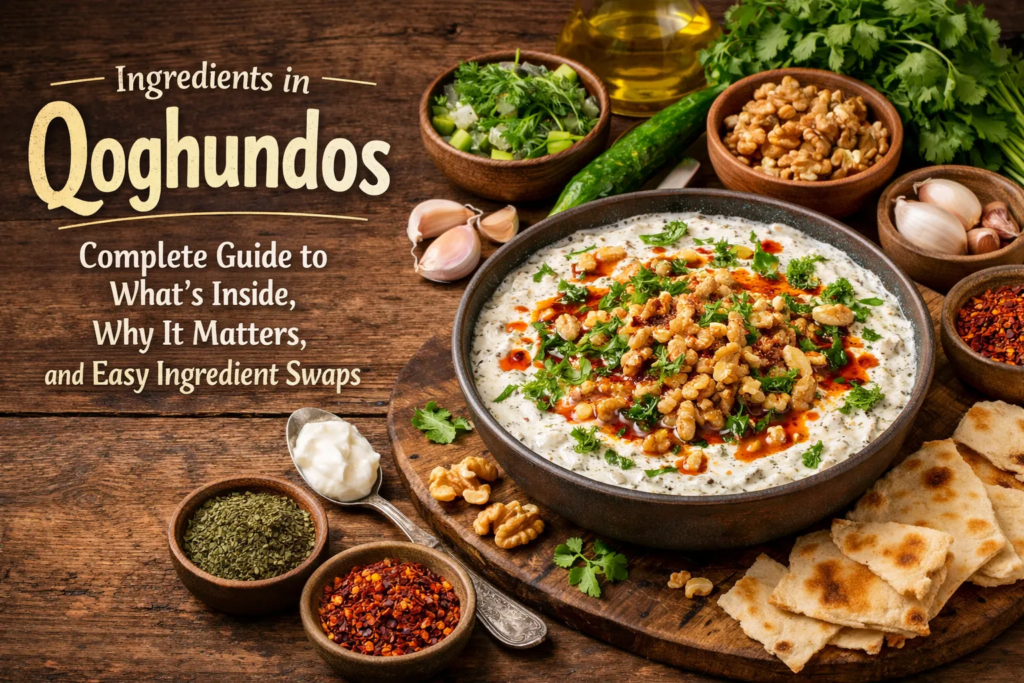
The inclusion of Qoghundos in one’s diet can offer several potential health benefits, primarily due to its rich composition of ingredients. One of the most noted advantages is its high antioxidant properties. Antioxidants play a vital role in neutralizing harmful free radicals in the body, thereby potentially reducing the risk of chronic diseases. Ingredients traditionally used in Qoghundos, such as dried fruits, nuts, and spices, are recognized for their robust antioxidant profiles, which can support overall health and longevity.
Another significant benefit of Qoghundos is its capacity to provide sustained energy. Ingredients in Qoghundos, such as whole grains and nuts, are known to release energy gradually, making it an excellent option for those seeking a wholesome boost throughout the day. This gradual energy release ensures that individuals remain alert and active without experiencing the crash often associated with sugary snacks.
Moreover, Qoghundos may promote digestive health. Many of the ingredients found in this dish are high in dietary fiber, which is essential for maintaining digestive regularity and preventing issues such as constipation. Fiber-rich diets can contribute to overall gut health, which is increasingly recognized as a cornerstone of general well-being.
Furthermore, specific traditional ingredients found in Qoghundos may offer distinct health advantages. For example, spices like turmeric and ginger are celebrated for their anti-inflammatory properties, which may contribute to reducing bodily inflammation and support immune function. Thus, delving into the ingredients in Qoghundos reveals a thoughtful blend that, when consumed regularly, could enhancement one’s overall health.
Conclusion: Making Informed Choices About Qoghundos
In evaluating the health benefits of Qoghundos, it is essential to consider the ingredients that comprise this traditional dish. Many of the components used in Qoghundos, such as legumes, grains, and spices, offer various health advantages, including high fiber content, rich protein sources, and an array of vitamins and minerals. These elements contribute positively to overall dietary health, making Qoghundos an appealing choice for those seeking nutritious options.
However, while analyzing whether the ingredients in Qoghundos are good for you, it is crucial to also address potential downsides. Some individuals may have allergies or intolerances to specific components such as gluten or certain legumes, which could negate the health benefits and lead to adverse reactions. Moreover, the preparation methods and portion sizes should not be overlooked, as excessive consumption could lead to imbalanced nutrition or caloric excess.
Incorporating Qoghundos into a balanced diet can be achieved by consuming them in moderation alongside a variety of other nutrient-dense foods. Pairing Qoghundos with fresh vegetables or lean proteins can enhance the overall nutritional profile of the meal and help ensure a well-rounded nutrient intake. Additionally, individuals are encouraged to experiment with the ingredients in Qoghundos, perhaps by substituting or adding ingredients that align better with their dietary preferences and health goals.
Ultimately, the answer to whether the ingredients in Qoghundos are good lies in personal health considerations and culinary choices. By understanding both the benefits and potential risks associated with consuming Qoghundos, individuals can make informed decisions that enhance their health and well-being.
